COMMUNITY SCIENCE AT
PEACE VALLEY NATURE CENTER
Discover. Observe. Contribute.
Every observation tells a story.
At Peace Valley Nature Center, visitors of all ages can become community scientists by helping document the incredible diversity of plants, animals, and habitats found throughout the preserve. Whether you're an experienced naturalist or simply enjoy spending time outdoors, your observations help us better understand the natural world while contributing valuable information used for conservation, education, and habitat management.
Community science (also known as citizen science) brings together volunteers and researchers to collect information that would otherwise be impossible for a small staff to gather alone. By participating, you'll sharpen your observation skills, deepen your appreciation for nature, and help build a long-term record of biodiversity at Peace Valley.
No scientific background is required—just curiosity.
Butterfly, Moth & Caterpillar Bioblitz Project
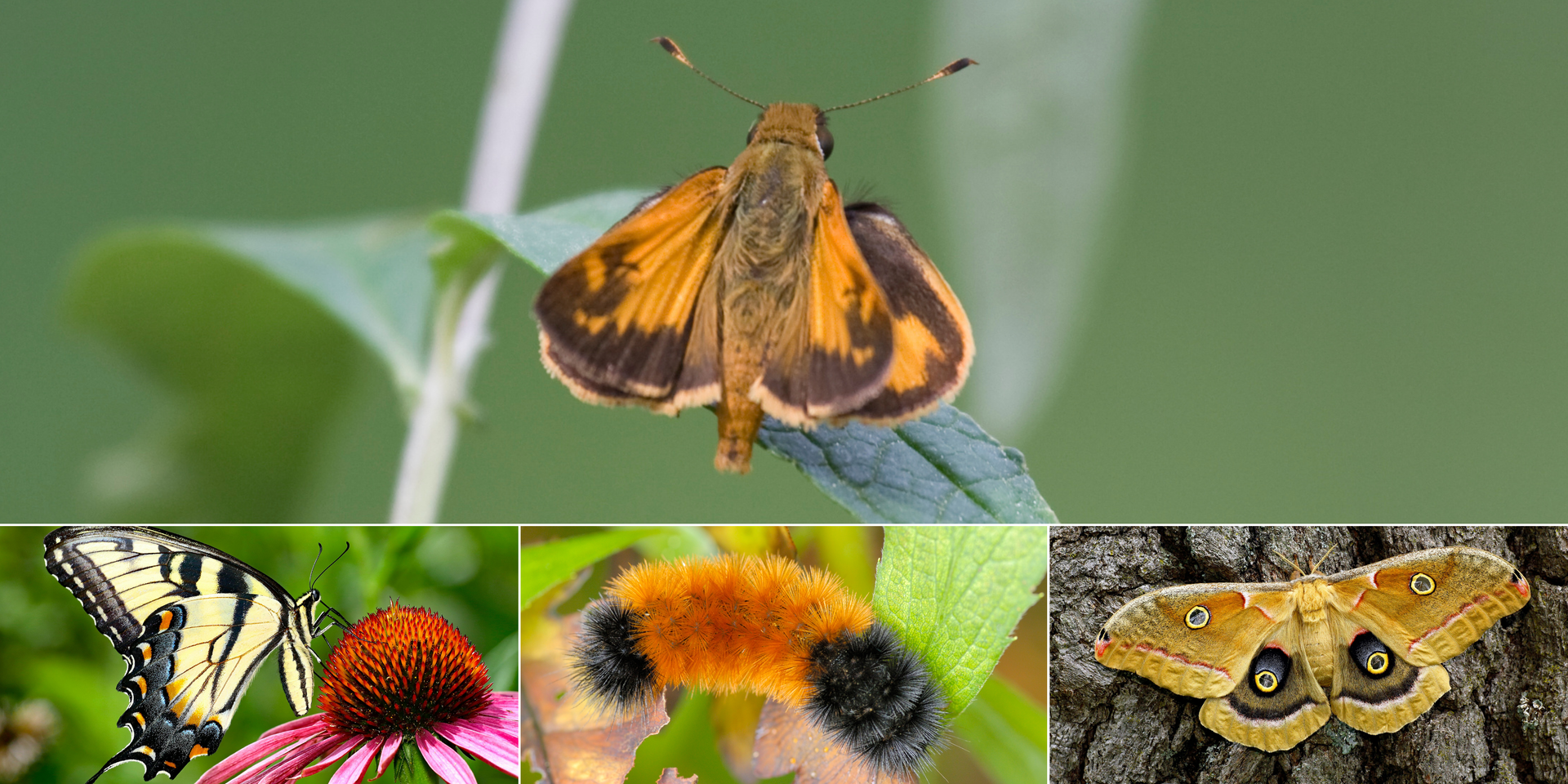
Butterflies and moths are among our most recognizable pollinators, but they are also important indicators of healthy ecosystems. Their caterpillars provide food for birds and other wildlife, while many species depend on specific native plants to complete their life cycle. By documenting these insects, we can better understand the biodiversity of Peace Valley Nature Center and the habitats that support them.
From July 15 through September 15, Peace Valley Nature Center invites visitors to participate in the Butterfly, Moth & Caterpillar Bioblitz, a pilot community science project using the free iNaturalist app. Photograph butterflies, moths, caterpillars, chrysalides, and their host plants as you explore the preserve. Every observation contributes to a growing inventory of the Nature Center's biodiversity and helps us monitor seasonal activity, species distributions, and habitat use.
Whether you're an experienced naturalist or simply enjoy spending time outdoors, you can make a meaningful contribution to local conservation. Together, we'll establish a valuable baseline for future community science projects while discovering the fascinating life cycles of these remarkable insects.
Join us this summer—one observation at a time—and help reveal the hidden world of butterflies, moths, and caterpillars at Peace Valley Nature Center.
Help Map Invasive Plants at Peace Valley Nature Center
Invasive plants threaten the health of forests, meadows, and wetlands by crowding out native species and reducing wildlife habitat. Peace Valley Nature Center is using the free iNaturalist app to map invasive vines, shrubs, grasses, and flowering plants throughout the preserve—and you can help.
Simply photograph invasive plants you encounter during your visit and upload your observations to our iNaturalist project. Every observation helps us identify where invasive species are spreading, prioritize removal efforts, and plan future habitat restoration projects.
No plant expertise is required. Before heading out, stop by the Visitor Center to borrow our Invasive Plant Field Guide, a handy reference featuring the species we're tracking and tips for identifying them in the field. The iNaturalist community can also help confirm your observations, making this an easy way for anyone to contribute to local conservation.
How to Participate
- Stop by the Visitor Center and borrow an Invasive Plant Field Guide.
- Join the Peace Valley Nature Center Invasive Plants project on iNaturalist.
- Photograph invasive plants during your visit.
- Upload your observations through the app.
- Stay on marked trails and leave all plants undisturbed.
Together, we can build a healthier landscape for native plants, pollinators, birds, and other wildlife—one observation at a time.